
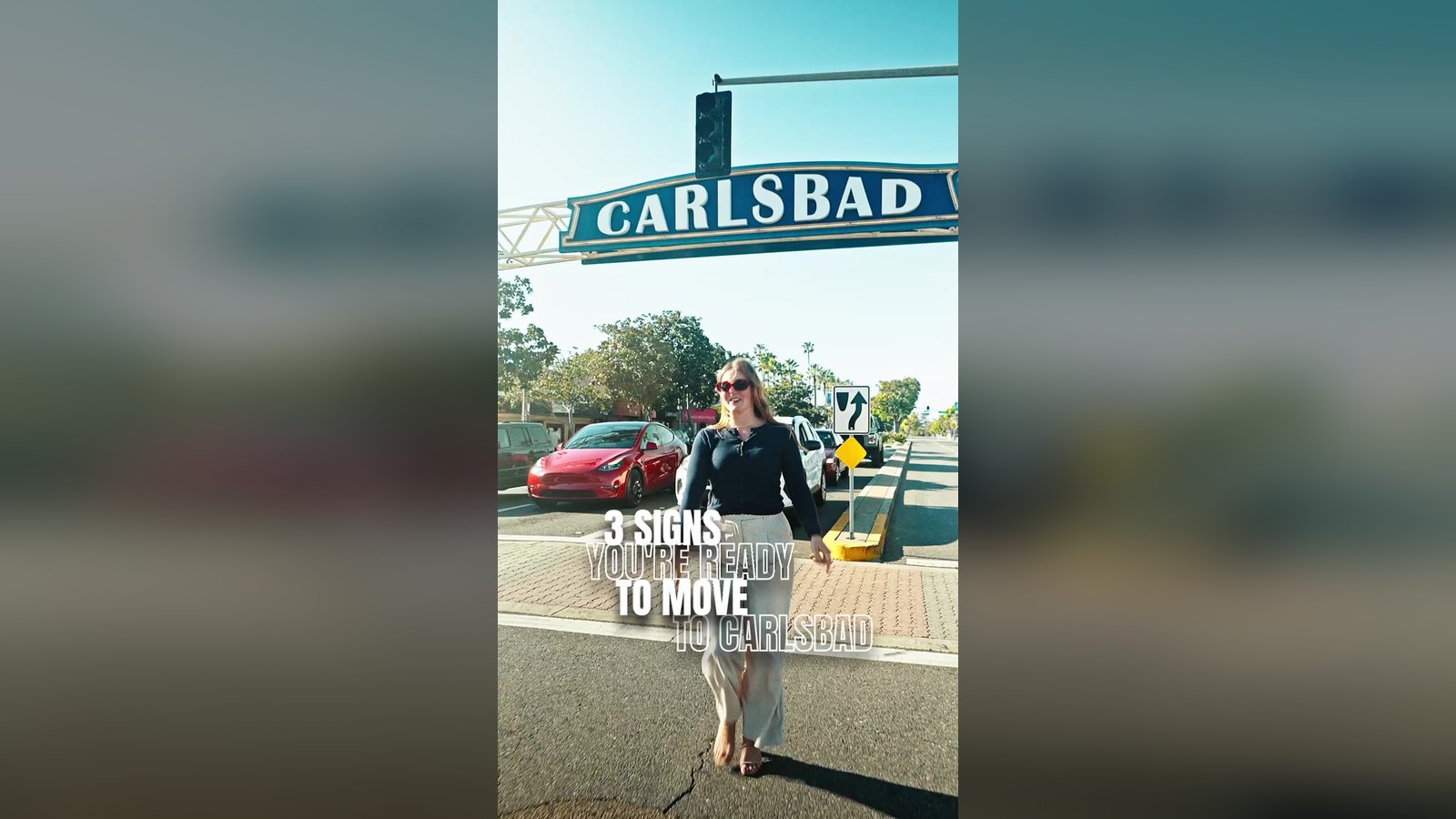
Agent lifestyle and brand videos are not substitutes for experience or personal service. Their role is to introduce the person behind the work in a clear, repeatable way. When the content feels specific and consistent, viewers can begin to understand what an interaction with that agent may be like.
Familiarity is different from fame
The goal does not need to be broad recognition. For many agents, it is more useful to become familiar to the right local audience than visible to everyone.
Familiarity grows when people repeatedly encounter the same point of view, voice, and presentation. An agent might explain a Salt Lake City neighborhood or discuss how they prepare a listing. Over time, the agent becomes less abstract.
That shift matters because real estate is personal. Prospects are not only evaluating market knowledge. They are also asking unspoken questions:
- Does this person communicate clearly?
- Do they understand the kind of property or move I am considering?
- Does their style feel compatible with mine?
- Are they attentive to details that matter to me?
- What would it feel like to spend time working together?
Video can answer parts of those questions through tone and behavior, not just claims.
What an agent lifestyle video can show
A lifestyle video places the agent in a meaningful context. That may be a neighborhood, a property, an architectural setting, or a routine connected to the agent’s market. The surroundings are not decoration; they help define the agent’s perspective.
For example, an agent focused on design-conscious homes might discuss materials while moving through a relevant space. An agent serving clients drawn to Utah’s outdoor access might connect community choices to daily routines.
Useful subjects include:
- Why the agent serves a particular market
- How they evaluate a home’s presentation
- What they notice during a property tour
- The questions they encourage clients to ask
- How neighborhoods differ in rhythm and lifestyle
- The standards they bring to communication and marketing
- The kinds of decisions they help clients navigate
The strongest topics reveal judgment. Video can demonstrate how the agent sees the work.
Brand video and listing video serve different roles
A listing film is centered on one property. The agent may appear, but the home remains the subject. An agent-brand video is centered on a consistent identity that can continue beyond a single listing.
That distinction changes the planning. A listing video may be tied to a launch date and a particular set of features. Brand content should be chosen for a longer conversation: values, local knowledge, process, taste, and client communication.
The formats can support each other. A listing film demonstrates the agent’s property marketing; a brand film gives viewers context for the person behind it.
Why specificity feels more credible
Generic scripts create distance. Phrases such as “I go above and beyond” or “I am passionate about real estate” are hard to picture because many people can say them.
Specific observations are more useful. An agent can explain why morning light changes a room’s presentation, how nearby Utah communities offer different daily experiences, or how they prepare clients for a key decision.
This approach keeps the video educational. It also reduces the pressure to perform. The agent is not inventing a persona; they are sharing real thinking in a setting that supports it.
Consistency builds a recognizable point of view
One brand film can establish an introduction. A continuing series can develop that identity across several subjects.
Consistency does not mean repeating the same video. It means keeping a recognizable relationship between content choices:
- A clear visual standard
- A stable tone of voice
- Recurring areas of expertise
- Useful, audience-centered topics
- Familiar pacing and presentation
- A coherent balance of personal and professional context
An agent might rotate among neighborhood perspective, property insight, client education, and preparation. Each piece should still feel connected to the larger brand.
A planned content partnership can make this easier than deciding from scratch every week. Themes can be mapped in advance, filming can be grouped efficiently, and each video can have a defined purpose.
Keep lifestyle content relevant
Lifestyle content becomes weak when the activity has no connection to the audience or the agent’s work. A beautiful location is not enough. The viewer should understand why the scene belongs in the story.
Before filming, ask:
- What should a prospective client learn about the agent?
- Why is this location relevant to that idea?
- What real observation can the agent offer?
- Can the scene show working style rather than merely describe it?
- Which audience is this video intended to help?
- Where will the finished piece be used?
These questions create focus. They also help separate meaningful personality from oversharing. Personal details should support the professional point of view, not compete with it.
Plan for the platform without losing the idea
Agent-brand content may appear on a website, in presentations, in email, or on social platforms. The framing and duration can change, but the central idea should remain intact.
A primary film can provide a fuller website introduction. Short edits can isolate one useful thought. Vertical versions may suit mobile, while a wider composition gives architecture and location more space.
Planning these versions before production helps the filmmaker protect important framing and capture clean openings, transitions, and closing lines. It is more effective than cutting a finished film into unrelated fragments after the fact.
FAQ
Does an agent-brand video need to feel highly scripted?
No. It needs a clear idea and structure, but the language should sound natural to the agent. Guided talking points and thoughtful interview prompts can preserve clarity without making the delivery rigid.
Should every agent video include a property?
No. A property can provide useful context, but neighborhood, process, design, and educational stories may work in other relevant settings. The location should support the subject.
How is a lifestyle video different from a personal vlog?
A lifestyle brand video is intentionally connected to the agent’s professional perspective and audience. Personal context is included when it clarifies values, market understanding, or working style.
Build recognition around a real point of view
A strong agent lifestyle video lets prospects hear how an agent thinks and see the environment in which they work. Over a consistent body of content, that makes the first call feel less like an introduction and more like the next step in an existing conversation.
Zeau Media creates agent-brand content, signature lifestyle films, and cinematic listing media from Salt Lake City for Utah and nationwide projects. Learn more or plan a focused brand story through the Utah real estate videographer service page.