
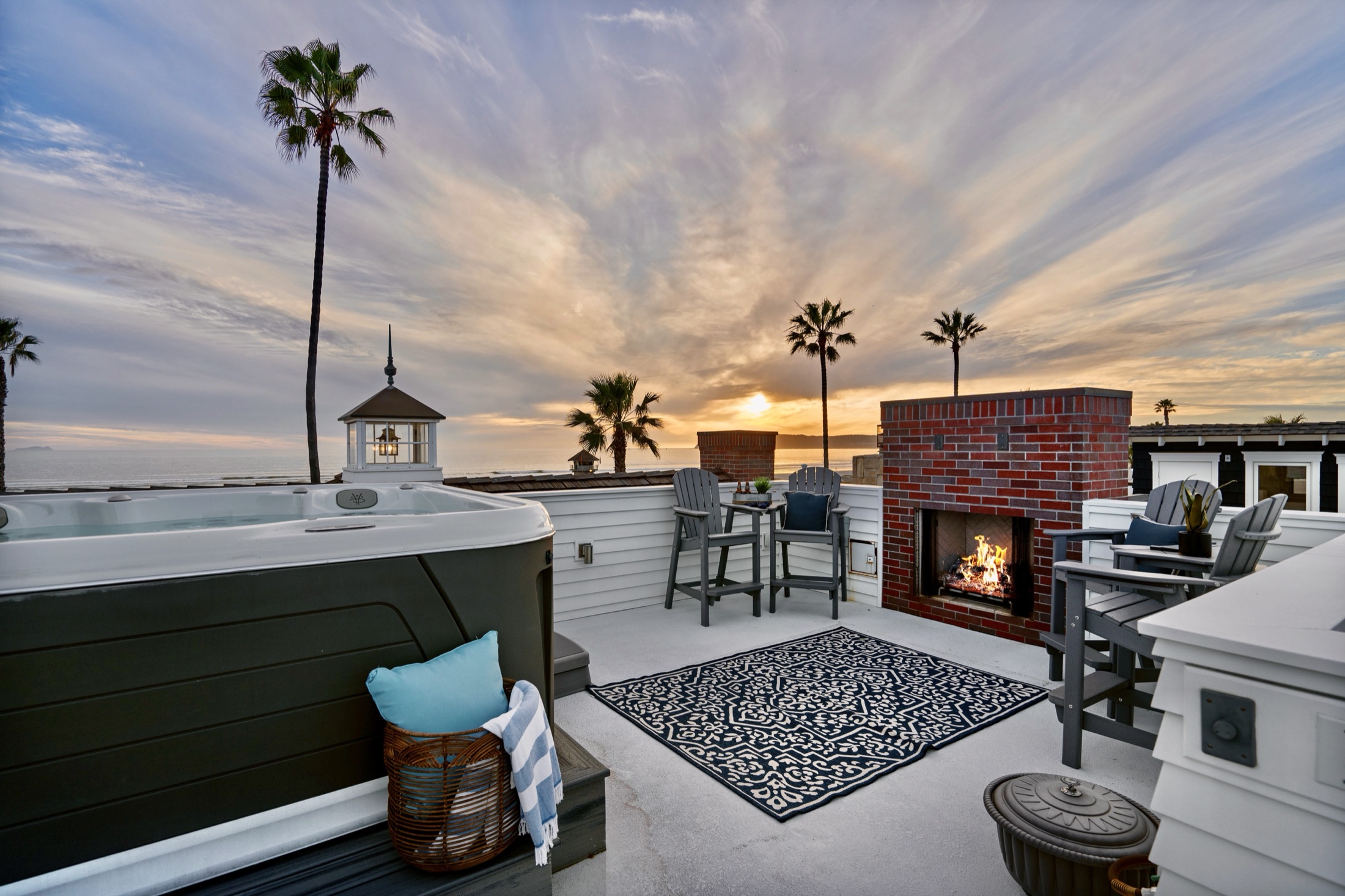
Neither option is automatically more cinematic. The right choice depends on the architecture, orientation, setting, season, and marketing story. For some homes, the strongest film moves through both.
What daylight brings to a listing film
Daylight is the clearest choice when the home’s appeal depends on openness, views, natural materials, or a strong connection to the landscape. Windows read as sources of light rather than dark surfaces, and interior details are generally easier to see.
Day filming is especially useful for showing:
- Bright kitchens and living areas
- Window placement and natural illumination
- Mountain, valley, water, or city views
- Gardens, patios, and daytime recreation spaces
- Exterior materials and architectural lines
- The flow between indoor and outdoor areas
In Utah, daylight can be central to the property story. A home may be oriented toward Wasatch views, designed around winter light, or connected to outdoor living that feels most natural under a bright sky. Aerial footage also tends to provide clearer geographic context during the day.
Daylight is not one fixed look. Morning can feel clean and quiet, while late afternoon often brings more shape and warmth. The best window depends on the home’s orientation.
Where daylight can become difficult
Bright conditions create their own challenges. Hard sun can produce deep shadows, reflective windows, and sharp contrast between interiors and exteriors. A room that looks balanced to the eye may require careful camera placement and exposure decisions to retain both the view and the interior.
This is why a daylight shoot should not be scheduled only around convenience. A filmmaker may need to prioritize one side of the home earlier and another later. Landscaping, neighboring structures, mountain shadows, and seasonal sun position can all change the useful filming window.
Preparation matters as well. Clean glass, restrained interior lighting, and uncluttered outdoor areas become very visible in daylight. If the property’s strength is clarity, the production should protect that quality.
What twilight adds
Twilight is the short transition after sunset or before sunrise when exterior ambient light and the home’s interior lighting can feel balanced. It creates a different kind of visibility: less informational than broad daylight, but often more atmospheric.
A twilight listing video can emphasize:
- Architectural lighting
- Warm interiors seen through windows
- Fire features and gathering spaces
- Pools, water, and reflective surfaces
- City lights or a distant horizon
- A sense of arrival, privacy, or retreat
The house begins to glow as the environment softens. This can be especially effective for properties designed for evening entertaining or homes whose exterior lighting is part of the architecture. It also gives the film a natural visual ending: the day resolves, the lights come on, and the property shifts from structure to experience.
Twilight is not a shortcut to luxury. If the relevant lights do not work, the exterior is not prepared, or the architecture lacks a strong evening composition, the result may feel dim rather than elevated. The timing and the property must support the look.
Why twilight requires precise preparation
The useful twilight window is limited, so small delays matter. Unlike a daytime setup, the production cannot simply recreate the same ambient conditions an hour later.
Before filming, confirm that:
- Interior and exterior lights use a visually compatible mix of color temperatures.
- Bulbs, sconces, landscape lighting, fireplaces, and water features work.
- Curtains, shades, and window treatments are set consistently.
- Vehicles, bins, hoses, and maintenance items are removed.
- Outdoor furniture is arranged and dry.
- The agent, homeowner, and production team agree on the priority shots.
The filmmaker can then move through a planned sequence as the sky changes. Wide exterior views may have only a brief ideal balance, while close architectural details can work slightly earlier or later.
Day film, twilight film, or day-to-twilight?
A daylight film is often the right choice when orientation and natural setting lead the story. It gives the viewer time to understand rooms, landscape, and spatial relationships.
A twilight film works when evening atmosphere is itself a major feature. It can keep the visual language focused and create a polished, mood-forward impression.
A day-to-twilight film combines the strengths of both. The daytime portion introduces the setting and interior flow. The later sequence adds illuminated exteriors, gathering areas, and a sense of conclusion. This structure is useful when the property genuinely has two identities: open and expansive by day, warm and private at night.
The combined approach needs disciplined planning. It is not simply a longer shoot with every shot repeated. The best use of time is to assign each feature to the light that serves it. The mountain view may belong to the day; the firepit and glass-walled living area may belong to twilight.
Match the light to the marketing story
Start with the listing’s central promise. If the story is about active daytime access, expansive views, or sunlit architecture, daylight should carry most of the film. If it is about retreat, entertaining, or designed illumination, twilight may provide the defining images.
Also consider where the film will be used. A main listing film may need enough daylight coverage to explain the property. A shorter social edit can lean further into twilight mood. Planning both before production helps capture the right shots and avoids trying to force one version to perform every role.
For a Salt Lake City home, timing may be shaped by mountain shadow and west-facing views. For a property elsewhere in Utah, open terrain, weather, snow, or seasonal color may affect the decision differently. Local conditions should inform the schedule, not just a generic sunset time.
FAQ
Is twilight always best for a luxury property?
No. Twilight is effective when lighting, architecture, and evening spaces support it. Some luxury homes are defined more clearly by daylight, views, and natural interior illumination.
Can a listing video include both daylight and twilight?
Yes. A day-to-twilight structure can show the property’s practical clarity and its evening atmosphere. It works best when the shot plan assigns each feature to the right light.
How should a property be prepared for twilight filming?
Test every visible light and feature, set window treatments, clear exterior distractions, and identify priority compositions in advance. Preparation protects a filming window that cannot be paused.
Plan the light before the shoot
The strongest time of day is the one that makes the property’s defining qualities easiest to understand and remember. Zeau Media offers cinematic day films, day-to-twilight films, aerial media, and signature lifestyle films from Salt Lake City, serving Utah and nationwide. Visit the Utah real estate videographer service page to plan the right visual approach for a listing.